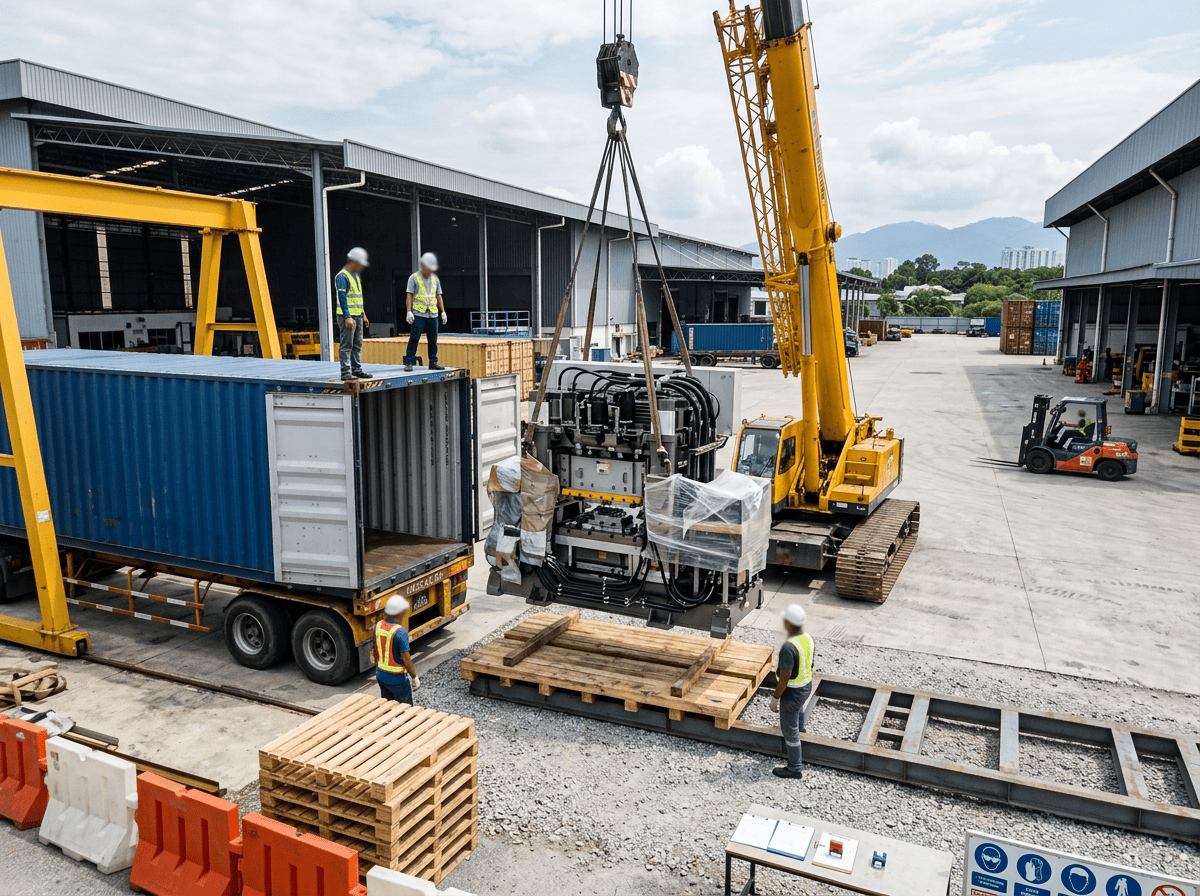
For most manufacturing businesses, purchasing machinery is one of the largest investments made before production begins. Whether the business is a Malaysian-owned manufacturer, a joint venture, or a foreign-owned subsidiary, importing machinery from overseas can involve significant customs, tax, licensing and compliance considerations.
Understanding these issues early can help businesses avoid unexpected costs, delays in production commencement and potential compliance risks.
How Manufacturers Commonly Acquire Machinery
Manufacturing companies in Malaysia may acquire machinery through several methods, including:
- Purchasing machinery directly from overseas suppliers;
- Purchasing machinery from local vendors or distributors;
- Acquiring machinery from a related company within the same group;
- Receiving machinery as a capital contribution from shareholders; or
- Acquiring machinery through mergers, business transfers or restructuring exercises.
Regardless of how ownership is transferred, imported machinery may be subject to customs requirements and tax considerations upon entry into Malaysia.
Import Duty and Sales Tax on Imported Machinery
Machinery imported into Malaysia may be subject to import duty and sales tax depending on:
- The applicable HS tariff classification;
- The country of origin;
- Whether any Free Trade Agreement (FTA) applies; and
- Whether a customs exemption is available.
Import duty rates differ according to the specific tariff classification of the machinery. In addition, sales tax may apply depending on the nature of the equipment being imported.
Before importing machinery, businesses should identify the correct HS tariff codes and verify available exemptions or preferential treatment under applicable trade agreements.
Can Manufacturers Obtain Import Duty and Sales Tax Exemptions?
Many manufacturers may be eligible to apply for import duty and sales tax exemptions on machinery used for manufacturing activities, subject to prevailing legislation and approval by the relevant authorities.
Depending on the applicable incentive framework and current guidelines, authorities commonly consider factors such as whether the machinery is:
- New;
- Unused; and
- Directly utilised in manufacturing operations.
Eligibility requirements and approval conditions may vary depending on the industry, manufacturing activity and circumstances of the applicant.
Regulatory Approvals Should Not Be Overlooked
One common challenge faced by manufacturers is timing.
Many businesses order machinery before all operational approvals have been obtained. However, where customs incentives are involved, authorities may require supporting documentation such as:
- Manufacturing Licence (ML);
- ICA10 exemption letter, where applicable;
- Certificate of Completion and Compliance (CCC); and
- Other permits and regulatory approvals.
Businesses should carefully assess the timing of machinery purchases against their overall project timeline to minimise delays and compliance issues.
Special Considerations for Group Companies
Where machinery is transferred between related companies, additional matters should be reviewed.
Examples include:
- Transfer pricing requirements;
- Customs valuation rules;
- Documentation supporting market value;
- Stamp duty implications on agreements; and
- Tax consequences in overseas jurisdictions.
Whether machinery is sold between group companies or contributed as capital, documentation should adequately support the value attributed to the machinery and comply with applicable regulations.
Overseas Installation and Technical Services
Importing machinery often involves more than simply purchasing equipment.
Foreign suppliers frequently provide:
- Installation services;
- Commissioning services;
- Technical support;
- Engineering services; and
- Employee training.
Where such services are provided by non-resident parties, withholding tax obligations may arise in Malaysia depending on the facts and applicable tax treaty provisions.
These considerations should be assessed before contracts are signed.
Capital Allowances May Be Available
In addition to customs exemptions, qualifying manufacturing machinery will generally be eligible for capital allowances under Malaysian income tax legislation, subject to satisfaction of the relevant requirements.
Businesses should ensure that acquisition documentation is properly maintained to support future tax claims.
Early Planning Can Result in Significant Savings
Importing machinery involves far more than arranging shipment and customs clearance. Manufacturers should evaluate customs duties, sales tax exemptions, regulatory approvals, withholding tax exposure and capital allowance implications before machinery arrives in Malaysia.
Early planning can reduce project costs, improve cash flow and minimise unexpected regulatory issues during the set-up phase.
How Interesources Group Can Help
Interesources Group assists manufacturers with:
- Import duty and sales tax exemption applications;
- Manufacturing Licence (ML) applications;
- ICA10 exemption applications;
- Tax incentive advisory;
- Customs and indirect tax planning;
- Transfer pricing compliance; and
- Malaysian tax and regulatory compliance matters.
Businesses planning to acquire or import machinery should consider obtaining professional advice early in the project to identify potential risks and available incentives before importation takes place.
Disclaimer
This article is intended for general informational purposes only and does not constitute tax, legal, customs or investment advice. Tax incentives, customs exemptions and licensing requirements depend on the specific facts of each case and may change over time. Businesses should seek professional advice before making investment or importation decisions.

